How to Run Effective AI Ideation Sessions
A practical, 60–90 minute framework for surfacing real automation opportunities without external consultants.
By The Archie Team
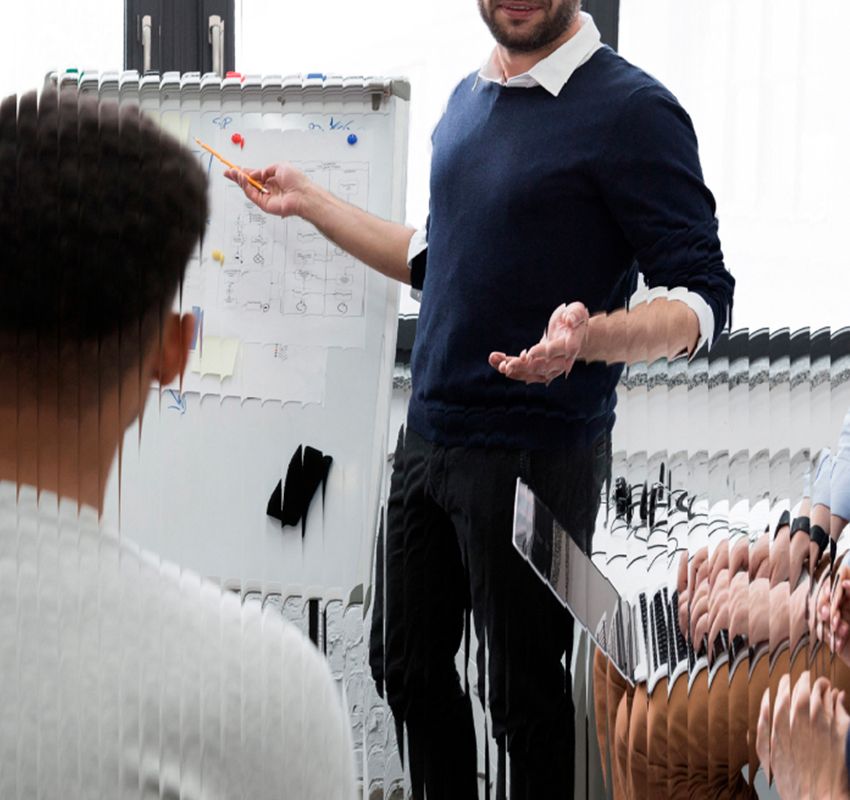
An AI ideation session is a low-barrier, high-impact internal workshop your firm can run to uncover automation opportunities without needing consultants or deep AI expertise.
Done right, these sessions reveal practical ways AI can improve productivity, client experience, and strategic impact. We're talking 60–90 minutes, led by your AI Champion, designed to generate a solid first-pass list of candidate use cases.
Here's how to make your ideation session both effective and energizing.
Set Clear Goals
Before you gather anyone, define what success looks like. Are you trying to identify automation opportunities? Streamline complex processes? Improve client-facing insights? Will you focus broadly or zero in on a specific department or workstream?
Clarity upfront keeps your session focused and purposeful.
Assemble the Right Team
Diversity of perspective matters. Include people from different service lines, seniority levels, and technical backgrounds.
Client-facing staff, operations specialists, and IT each bring unique insights that enrich the discussion.
Who to include:
Create an Open Environment
The best ideas come out when people feel safe to speak freely.
Set the tone early. Make it clear there are no wrong answers, and no idea is too small or too ambitious.
Some people can't think on the spot, so consider giving them "prework." Ask them to reflect on things that frustrate them often or wish could be different. Simple prompts work well: "If there was ONE process we could change that would make your life or our clients' lives easier, what would it be?"
Ask Great Questions
Guide your team toward actionable insights with questions grounded in real work:
These questions anchor everyone in real-world challenges, making ideas practical instead of abstract.
Keep the Pace Energetic
Effective ideation thrives on momentum. Structure your session with short, clearly defined segments. Use timers to maintain energy and focus. Regularly shift between brainstorming, discussion, and reflection to keep things dynamic.
At Archie, we have everybody stand up during these sessions. It helps people stay engaged and dynamic.
If a participant gets stuck or a discussion stalls, don't be afraid to "park" it and come back later.
Visualize the Conversation
Nothing beats a whiteboard and Post-it notes for capturing and clustering ideas visibly.
For digital capture, platforms like Miro or FigJam help everyone see connections and identify themes, particularly after the fact. Visualizing ideas reinforces collective understanding and encourages further insights. You're building shared fluency here.
Prioritize and Define Next Steps
As your session wraps up, have participants prioritize the ideas generated. Identify which opportunities have the highest potential impact and practical feasibility.
Detailed scoring comes later, but documenting these priorities and assigning follow-up actions increases the likelihood that something actually happens.
Communicate and Follow-Up
The ideation session is just the beginning. Clearly communicate session outcomes to all stakeholders and outline next steps. Establish clear ownership for further exploration and set a date for reporting back on progress.
Regular follow-up ensures momentum doesn't get lost.